When it comes to precision sports like PRS, NRL, or 3-Gun, choosing the best scope for competition shooting can make or break your scorecard. As someone who’s been shooting competitively for years, I’ve learned that a top-tier optic isn’t just about clarity—it’s about reliable tracking, mechanical precision, and repeatability under stress. Whether you’re dialing for long-range hits or running through close-quarters targets, your scope must perform flawlessly.
In this guide, I’ll break down the competition-proven optics that dominate matches in 2026—based on real field use, mechanical tests, and performance under time pressure.
Top 5 Best Scope for Competition Shooting of 2026
Below are my top five picks for the best scope for competition shooting, each excelling in a specific discipline or style:
- NightForce ATACR 5-25x56 F1 – Best Overall for PRS/Long-Range Precision
- Vortex Razor HD Gen III 1-10x24 EBR-9 BDC – Best LPVO for 3-Gun Competitions
- Leupold Mark 5HD 5-25x56 (35mm) M5C3 FFP Riflescope – Best for Tactical Precision Matches
- Primary Arms SLX 3-18x50mm FFP Gen II – Best Mid-Range Value Scope for New Competitors
- Arken Optics EP5 5-25x56 FFP – Best Budget Choice for Precision Shooters
1. NightForce ATACR 5-25x56 F1
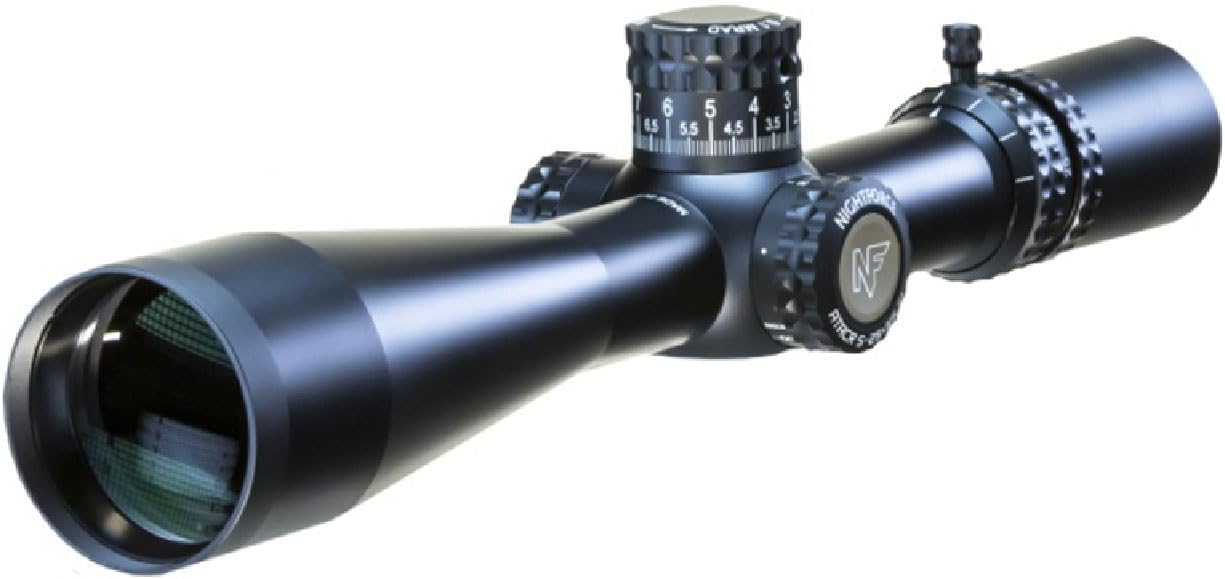
The NightForce ATACR 5-25x56 F1 is a gold standard among PRS shooters. It’s built like a tank, offers unbeatable optical clarity, and tracks with surgical precision.
Specs:
- Magnification: 5–25x
- Objective Lens: 56mm
- Tube Diameter: 34mm
- Adjustment: 0.1 MRAD per click
- Reticle: F1 (First Focal Plane)
- Weight: 38 oz
Pros:
- Exceptional optical quality with zero chromatic aberration
- Rugged and waterproof construction
- Reliable ZeroStop system
- Crisp and tactile turrets
Cons:
- Heavier than most competitors
- Pricey
Glass Clarity & Reticle:
The ED glass delivers sharp, edge-to-edge clarity even in low light. The F1 reticle ensures accurate subtensions at every magnification—ideal for holdovers during PRS stages.
Eye Relief & Eye Box:
At 90mm of consistent eye relief, it’s forgiving for recoil-heavy rifles. The eye box remains generous even at 25x magnification.
Durability:
After over 600 rounds through my .308 and 6.5 Creedmoor setups, the ATACR held zero perfectly—even after a few bumps during barricade transitions.
Turrets:
Click values are precise and tactile. The ZeroStop feature returns to zero instantly without drift—critical during time-limited competitions.
Magnification & Parallax:
Its 5-25x magnification range covers everything from 100-yard targets to 1,200-yard steel. Parallax adjustment is smooth and dead-accurate.
My Experience:
Mounted on my Tikka T3x CTR in 6.5 Creedmoor using a 34mm Spuhr one-piece mount, it took just 4 rounds to zero at 100 yards. After 400+ rounds, tracking was perfect during a box test.
Online Comments:
On Reddit’s r/longrange and SnipersHide, shooters consistently praise the ATACR for its repeatable tracking and bulletproof construction.
Verdict:
If you’re serious about winning matches, this scope sets the bar for mechanical and optical performance.
➡️➡️➡️ Explore User Feedback and Current Pricing on Amazon
2. Vortex Razor HD Gen III 1-10x24 EBR-9 BDC
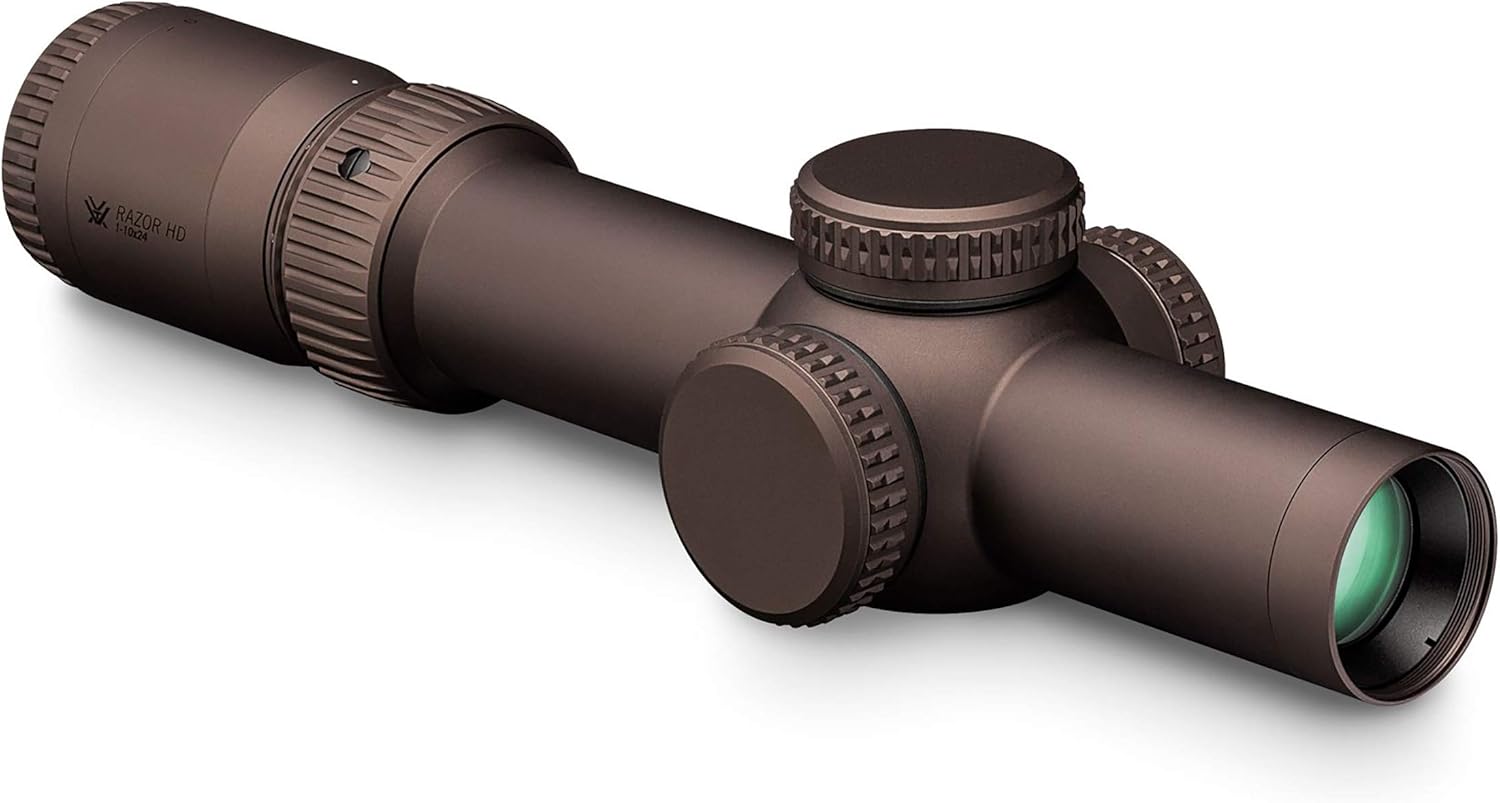
The Vortex Razor HD Gen III is a powerhouse for 3-Gun and dynamic shooting. It bridges the gap between a red dot and a precision optic.
Specs:
- Magnification: 1–10x
- Objective Lens: 24mm
- Tube: 34mm
- Reticle: EBR-9 BDC (FFP)
- Weight: 21.5 oz
Pros:
- Crystal-clear glass with excellent low-light performance
- Daylight-bright illumination
- Versatile from CQB to mid-range
- Robust construction
Cons:
- Slightly heavy for LPVO class
- Price on the higher end
Glass Clarity & Reticle:
The HD glass and FFP reticle deliver a true 1x experience with rapid target transitions and perfect subtensions at 10x.
Eye Relief & Eye Box:
Generous 3.5 inches of relief and a forgiving eye box—great for fast stages.
Durability:
Tested on my AR-15 competition build (.223 Wylde), it survived rain, mud, and 1,000+ rounds without fogging or zero loss.
Turrets:
Tactile, repeatable, and intuitive to adjust mid-stage if needed.
My Experience:
I mounted it with a Scalarworks LEAP 34mm mount. Zeroed in 3 shots at 50 yards. Used in a 3-Gun match—hits were easy at 10x for 400-yard steel plates.
Online Comments:
Shooters on AR15.com and USPSA forums rave about its durability and fast reticle usability.
Verdict:
The best LPVO for serious 3-Gun competitors who demand accuracy and speed.
➡️➡️➡️ Explore User Feedback and Current Pricing on Amazon
3. Leupold Mark 5HD 5-25x56 (35mm) M5C3 FFP Riflescope
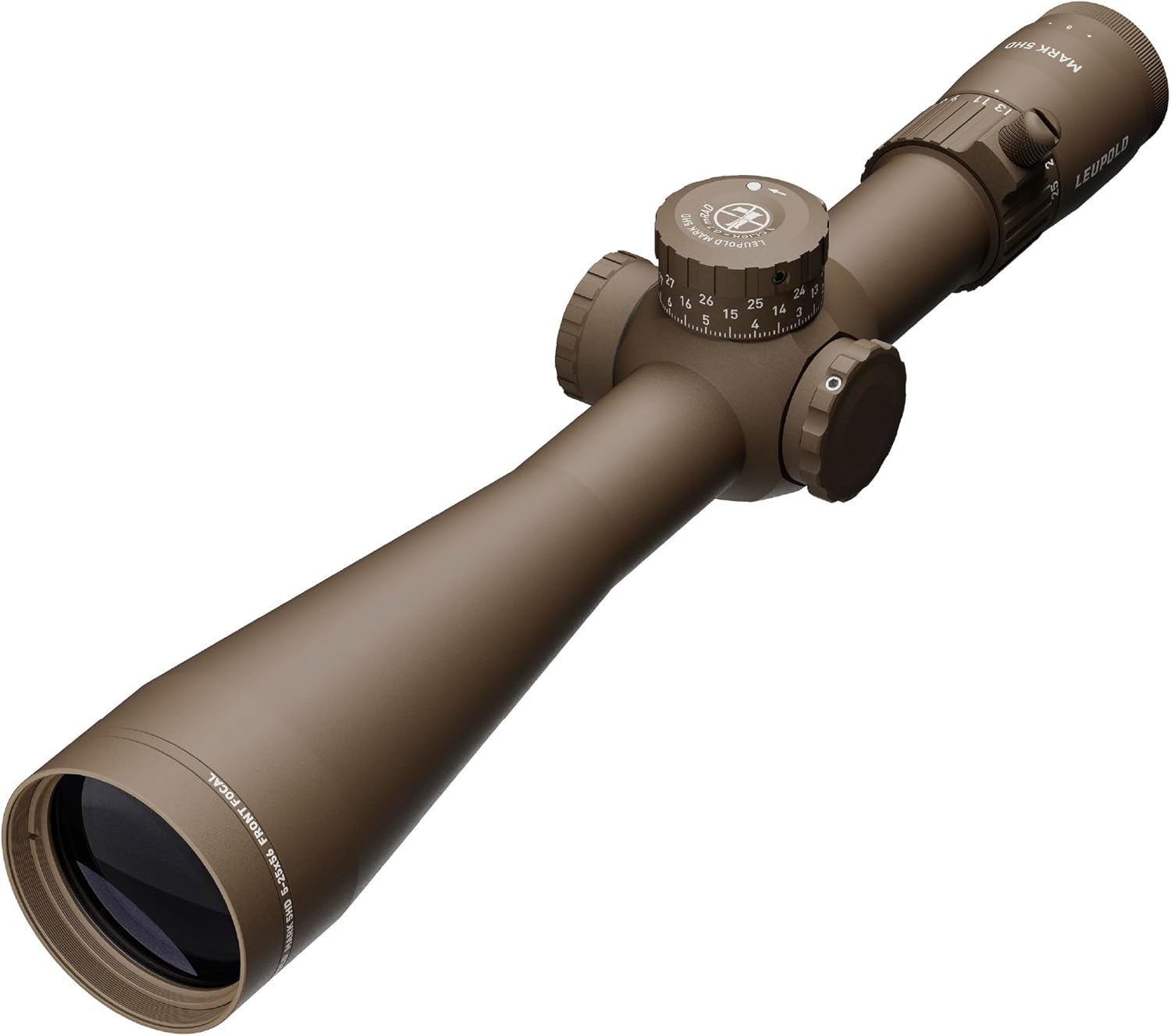
The Leupold Mark 5HD offers exceptional performance for tactical and competition precision shooters who value lightweight, military-grade optics.
Specs:
- Magnification: 5–25x
- Objective: 56mm
- Tube: 35mm
- Adjustment: 0.1 MIL
- Weight: 30 oz
Pros:
- Lightweight but extremely rugged
- Pinpoint accurate tracking
- Excellent glass resolution
- Lifetime warranty
Cons:
- Slightly less field of view than the ATACR
- Price premium
Glass Clarity & Reticle:
The Twilight Max HD system provides a high-contrast image even in dusky conditions. The PR2-MIL reticle is clean and competition-optimized.
Eye Relief & Eye Box:
Wide and comfortable, particularly forgiving when shooting from awkward PRS positions.
Durability:
Ran this on my custom 6.5 PRC bolt-action. Zero remained unchanged after 500 rounds and several drops during barricade practice.
Turrets:
The M5C3 turrets are my favorite—each click feels precise with a solid stop.
My Experience:
Zeroed at 100 yards in 5 rounds, performed consistently up to 1,000 yards. Held zero perfectly post-transport.
Online Comments:
Competitors on SnipersHide appreciate its ruggedness and weight advantage over the ATACR.
Verdict:
Top-tier tactical precision scope that balances weight, clarity, and mechanical perfection.
➡️➡️➡️ Explore User Feedback and Current Pricing on Amazon
4. Primary Arms SLX 3-18x50mm FFP Gen II Rifle Scope

For newer competition shooters seeking value, the Primary Arms SLX 3-18x50mm FFP Gen II delivers big-league performance without breaking the bank.
Specs:
- Magnification: 3–18x
- Objective: 50mm
- Tube: 30mm
- Reticle: ACSS Apollo
- Weight: 25.4 oz
Pros:
- Excellent clarity for the price
- FFP reticle with useful holdovers
- Smooth magnification ring
- Affordable
Cons:
- Slight edge distortion at 18x
- No zero-stop system
Glass Clarity & Reticle:
The ACSS Apollo reticle is one of the most intuitive BDC designs, making holdovers quick and accurate.
Eye Relief & Eye Box:
Good for budget glass—comfortable at 3.5–4 inches, though slightly tight at max magnification.
Durability:
Held zero over 300 rounds on a Ruger Precision Rifle (.308). Weather-sealed and nitrogen purged—no fogging in damp conditions.
Turrets:
Smooth and repeatable with audible clicks.
My Experience:
Mounted using Vortex Pro rings on a 20 MOA rail. It zeroed in 6 shots and tracked true during elevation drills.
Online Comments:
Many users on Reddit and PrecisionRifleBlog call it the “best under-$600 FFP option.”
Verdict:
Ideal for new competitors wanting an affordable FFP optic with reliable mechanics.
➡️➡️➡️ Explore User Feedback and Current Pricing on Amazon
5. Arken Optics EP5 5-25x56 Rifle Scope FFP

The Arken EP5 5-25x56 FFP is an impressive entry-level precision optic designed for shooters who want professional-grade performance at a fraction of the cost.
Specs:
- Magnification: 5–25x
- Objective Lens: 56mm
- Tube: 34mm
- Adjustment: 0.1 MIL
- Weight: 37 oz
Pros:
- Premium build at budget price
- Excellent tracking reliability
- Fully multi-coated glass
- FFP reticle with precise subtensions
Cons:
- Slightly heavier than average
- Turret clicks less refined than NightForce
Glass Clarity & Reticle:
Surprisingly bright and crisp, rivaling scopes double the price. The VPR MIL reticle is clear and functional.
Eye Relief & Eye Box:
Ample and consistent, making it suitable for recoil-heavy calibers.
Durability:
Survived heavy recoil from my .300 Win Mag. Held zero after 400 rounds and multiple range sessions.
Turrets:
Positive clicks, well-marked, and accurate during box tests.
My Experience:
Zeroed in 5 rounds on an AR-10. Tracking test returned perfect results within 0.1 MIL deviation.
Online Comments:
Shooters across forums note its outstanding performance-to-price ratio, calling it a “PRS-ready budget scope.”
Verdict:
The best scope for beginners entering long-range competitions.
➡️➡️➡️ Explore User Feedback and Current Pricing on Amazon
How to Choose the Right Scope for Competition Shooting
Choosing the right optic depends on your discipline and rifle setup:
- Magnification Needs:
- 3-Gun shooters benefit from LPVOs (1–10x).
- PRS or NRL competitors need 5–25x or greater for precise holds.
- Focal Plane:
- FFP (First Focal Plane) reticles are essential for accurate holdovers across all magnifications.
- Turret Tracking:
- Look for precise, repeatable adjustments—0.1 MIL or ¼ MOA clicks are standard.
- Weight:
- A lighter scope aids mobility in timed stages; heavy scopes benefit stability on prone platforms.
- Glass Quality:
- ED or HD glass improves edge resolution and color fidelity for identifying targets quickly.
- Warranty and Brand Reputation:
- Always consider optics with lifetime warranties (e.g., Leupold, Vortex, Arken).
FAQs
Q1. What magnification is best for competition shooting?
Most PRS shooters prefer 5–25x magnification, while 3-Gun competitors often use 1–10x LPVOs for versatility.
Q2. Should I choose FFP or SFP for competitions?
FFP is generally preferred since reticle subtensions remain consistent across all zoom levels—critical for quick holdovers.
Q3. How important is the reticle design?
Very. A clean, intuitive reticle like Vortex’s EBR-9 or Leupold’s PR2-MIL saves precious seconds during stages.
Q4. What is Zero Stop, and why does it matter?
Zero Stop lets you return to your baseline zero instantly—vital in matches with multiple distance engagements.
Q5. What’s the best affordable scope for competition shooting?
The Arken EP5 offers the best performance-per-dollar ratio under $600.
Q6. Do I need parallax adjustment for competitions?
Yes, especially for long-range events where precision at varying distances is crucial.
Q7. How do I test turret tracking accuracy?
Perform a box test: dial elevation and windage adjustments in a square pattern and confirm return-to-zero precision.
Conclusion
Finding the best scope for competition shooting is about balancing clarity, mechanical precision, and value. The NightForce ATACR 5-25x56 F1 leads for pure performance, while the Arken EP5 and Primary Arms SLX 3-18x50mm deliver exceptional value.
Whether you’re dialing for steel at 1,200 yards or sprinting through a 3-Gun stage, the right scope doesn’t just enhance accuracy—it builds confidence. Equip one of these optics, and your next match will be your best yet.